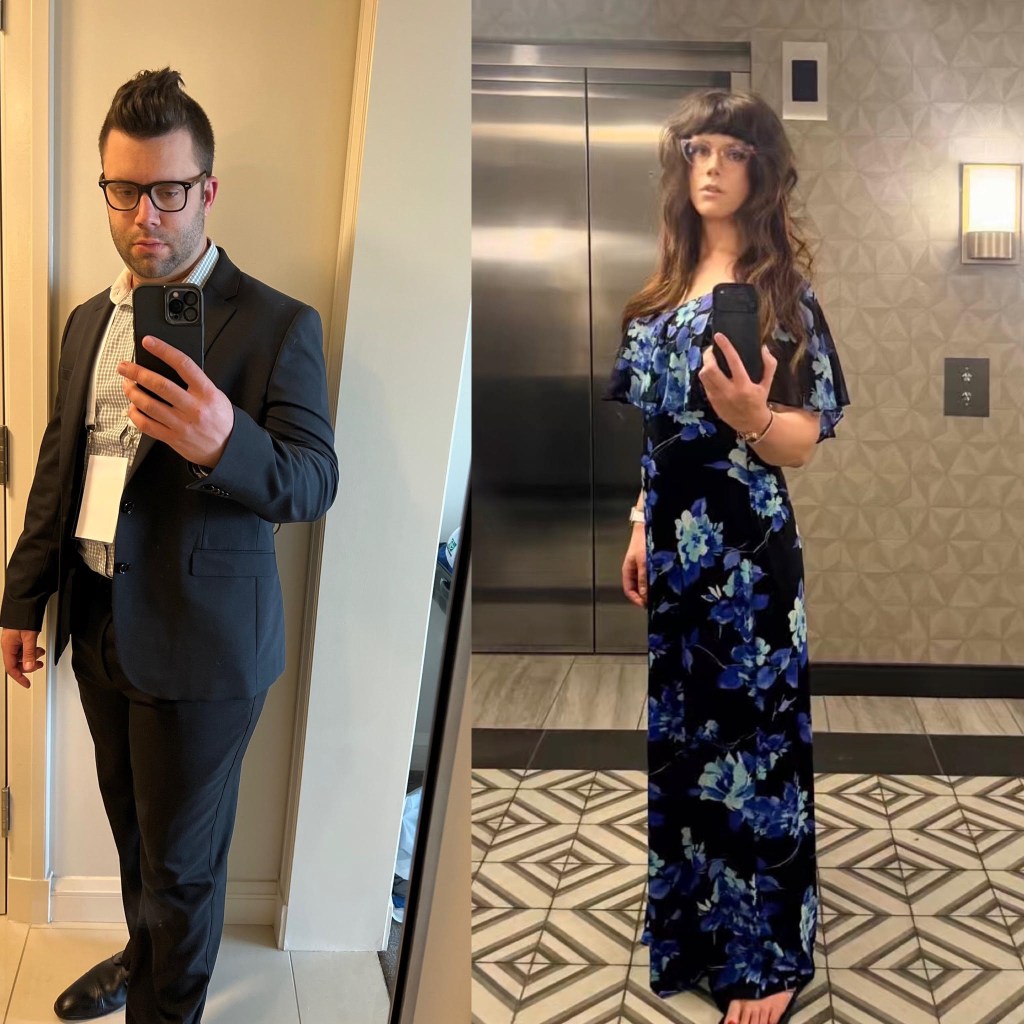
Stephanie McKenzie (38), from Florida, USA, was raised as a boy in Pennsylvania, given the name Stephen, and never told the extraordinary truth about her body.
But from as young as six, she says she knew she was a girl. She remembers being moved from the girls’ group to the boys’ group in gym class, feeling uncomfortable in boys’ clothes and becoming increasingly jealous as the girls around her went through puberty.
She even used to sneak into her older sister’s bedroom to try on her clothes.
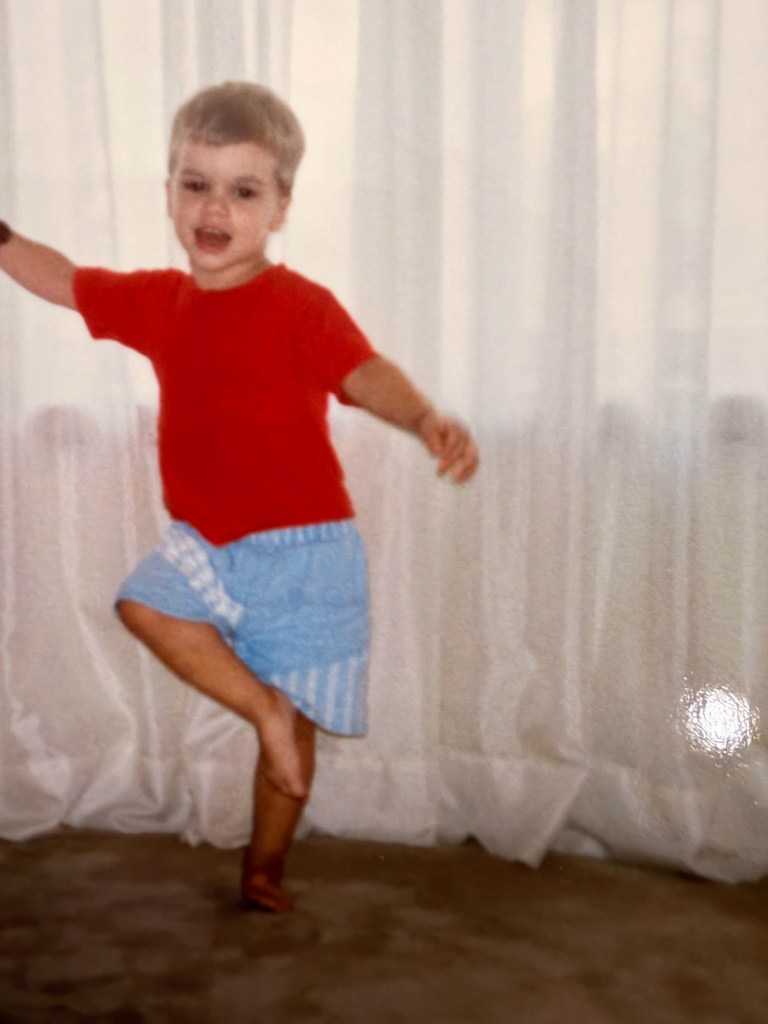
“I remember going into my older sister’s room and putting on the clothes in her closet,” says Stephanie.
“Most memorable was the black sequin dance leotard she had. That was my favourite.”
But Stephanie had no idea that her parents and doctors had known since before she was born that her biology was far more complicated than they had ever told her.
She was born in February 1988 after prenatal testing revealed an unusual chromosome pattern involving Turner syndrome and a chromosome marker.

Turner syndrome is a genetic condition that can affect how a person’s body develops, particularly their reproductive system. In Stephanie’s case, different cells in her body carried different chromosome patterns, including one associated with Turner syndrome and another containing part of a Y chromosome.
Doctors later determined that she had a rare form of intersex mosaicism involving 45,X and 46,X with a Y-chromosome marker.
Her parents were even advised three times to terminate the pregnancy because of anticipated health problems.
They refused.
Then, before Stephanie was born, an ultrasound revealed she had a small p*nis.
Doctors presented her parents with two choices: raise her as a girl with a p*nis, or raise her as a boy.
Stephanie says the lead doctor described raising her as a boy as the ‘best case scenario,’ because life would supposedly be easier if she appeared to be a typical boy.
Months later, another genetics doctor told her parents she would need her gonads removed before puberty and would require hormone replacement therapy at puberty.
But Stephanie’s parents never told her.
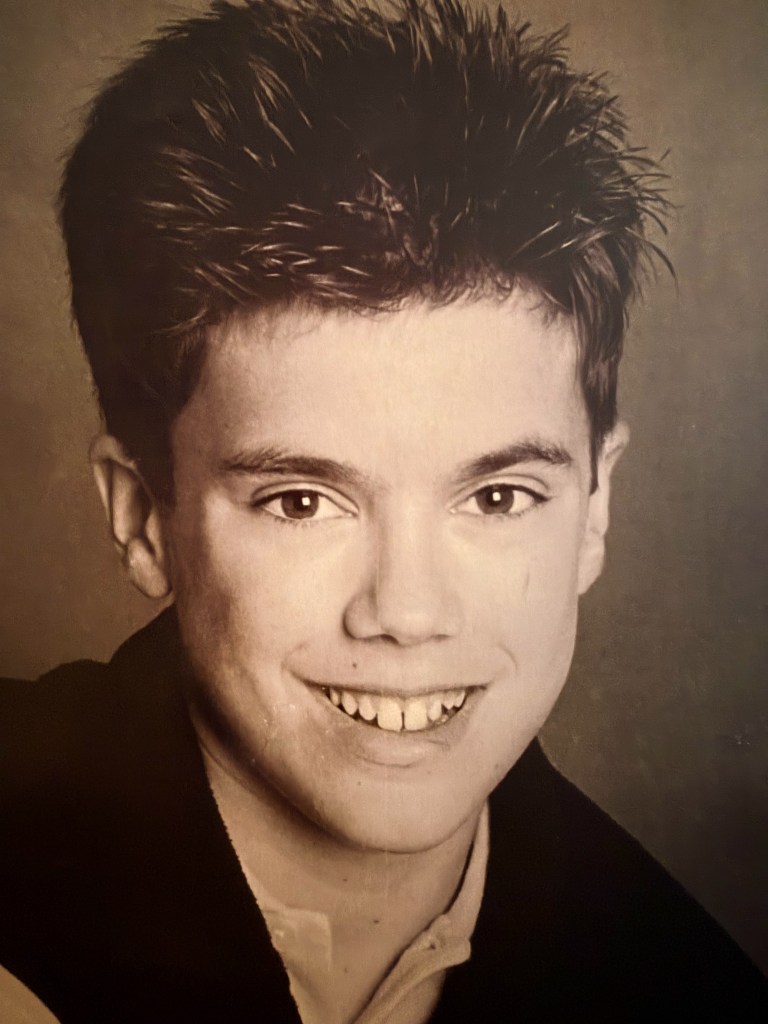
After her parents divorced when she was 10, Stephanie lived mainly with her mother, who told a new paediatrician about her medical history.
But Stephanie says the doctor failed to order updated genetic testing or bloodwork and told her mother: “He looks like a normal boy and he won’t need HRT and the testicles look normal from the exterior.”
Her parents never sought a second opinion.
And all the while, Stephanie says, she continued to know she was a girl.
“I questioned it all the time,” she says.
“I hated getting haircuts, didn’t want to play with boys. I gravitated to girls’ things.
“I loved having friends that were girls. I loved their rooms, their toys. I remember these feelings as early as age six or seven.”
At 13, she finally discovered a word that seemed to explain how she felt.
Stephanie was at her father’s house when she overheard an episode of 60 Minutes featuring a report about a man who had transitioned to female.
She heard the word transgender and went upstairs to search for it on the family computer.
“I found so many trans women and then went and searched on MySpace and found trans girls my age,” she says.
“I had spent years knowing I was a girl, so I was shocked that it was possible to change from a boy to a girl.”
She began privately identifying as transgender and told other teenagers online that she was trans and wanted to transition.
But when she told her mother she wanted to become a girl and start hormone treatment, she was told no.
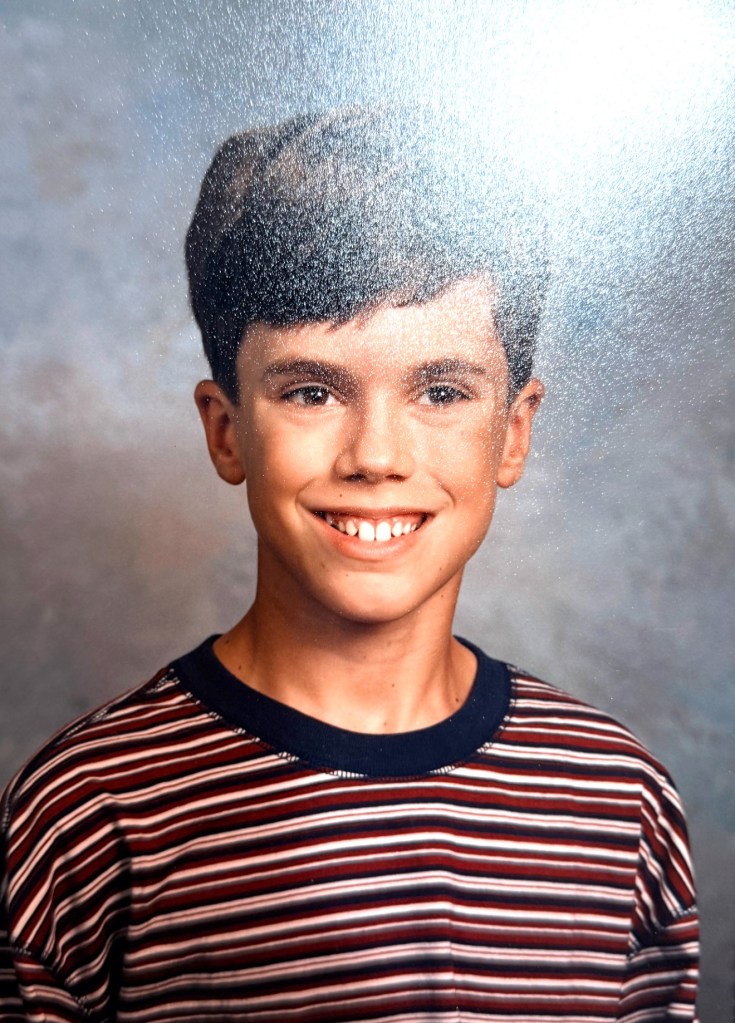
Her mother took her to a therapist, where Stephanie says she was given religious reasons why she shouldn’t transition.
The experience frightened her so badly that she never raised the subject again.
“I also assumed everyone wanted me to be male, so I tried my best to live my life for everyone else and not me.”
Then her father discovered her internet search history.
“He told me in the car one day that if you’re born with boys’ parts, that’s what you need to have and be a boy,” says Stephanie.
She went deeper into the closet.
For the next 22 years, she says, she lived as a man despite wishing she could live as a woman.
Then, aged 35, everything changed.
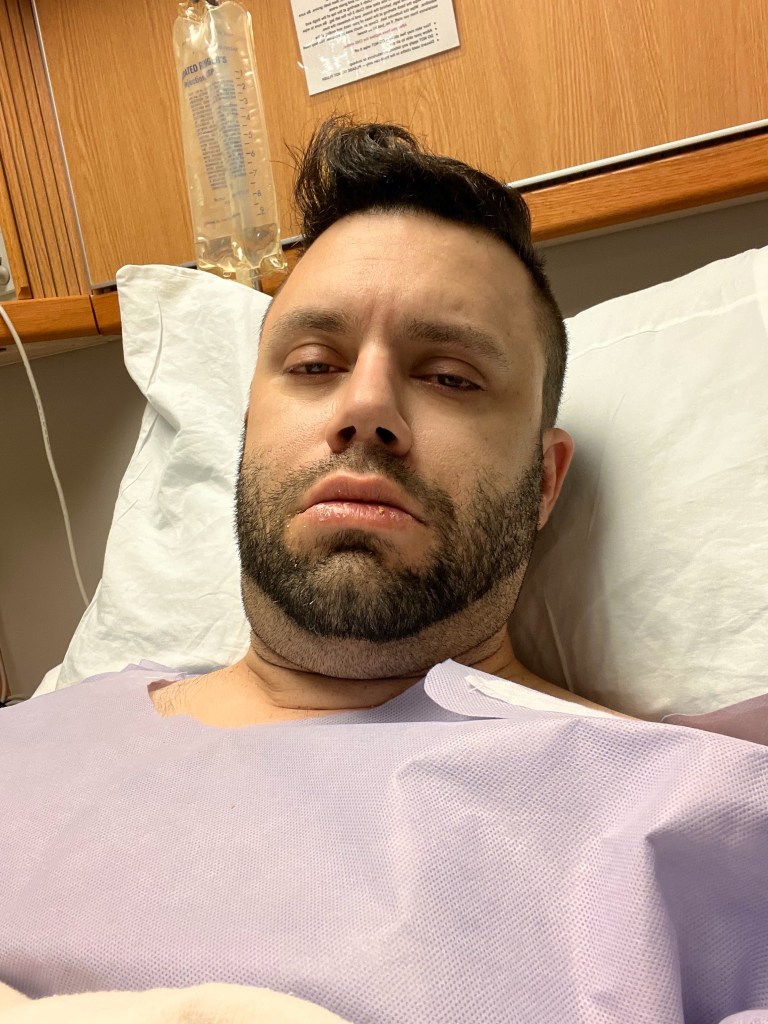
In 2022, Stephanie underwent a procedure to remove painful varicocele veins from her scrotum.
Blood tests revealed severely abnormal hormone levels. She says her estrogen levels were comparable to those of an eight-year-old girl, while her testosterone levels were comparable to those of a five-year-old boy.
She was also increasingly unwell.
“I was sluggish, tired and feeling weak,” she says.
Doctors initially prescribed testosterone, but Stephanie says it made her feel even worse.
She was eventually referred to a Transgender and Intersex Specialty Care Clinic, where doctors reviewed her records and discovered she was entering endocrine failure because of inadequate hormone levels.
She says doctors explained that her body had gone years without the hormones it needed to function properly.
Geneticists also went through her medical history and finally revealed the truth about her body.
She discovered that the structures in her scrotum contained both ovarian and testicular tissue.
They were ovotestis.
“This means I’m a mosaic,” she says.
“I’m a mix of Turner’s syndrome, second X chromosome and a marker which contains a portion of the SRY gene which caused me to be born with male anatomy.”
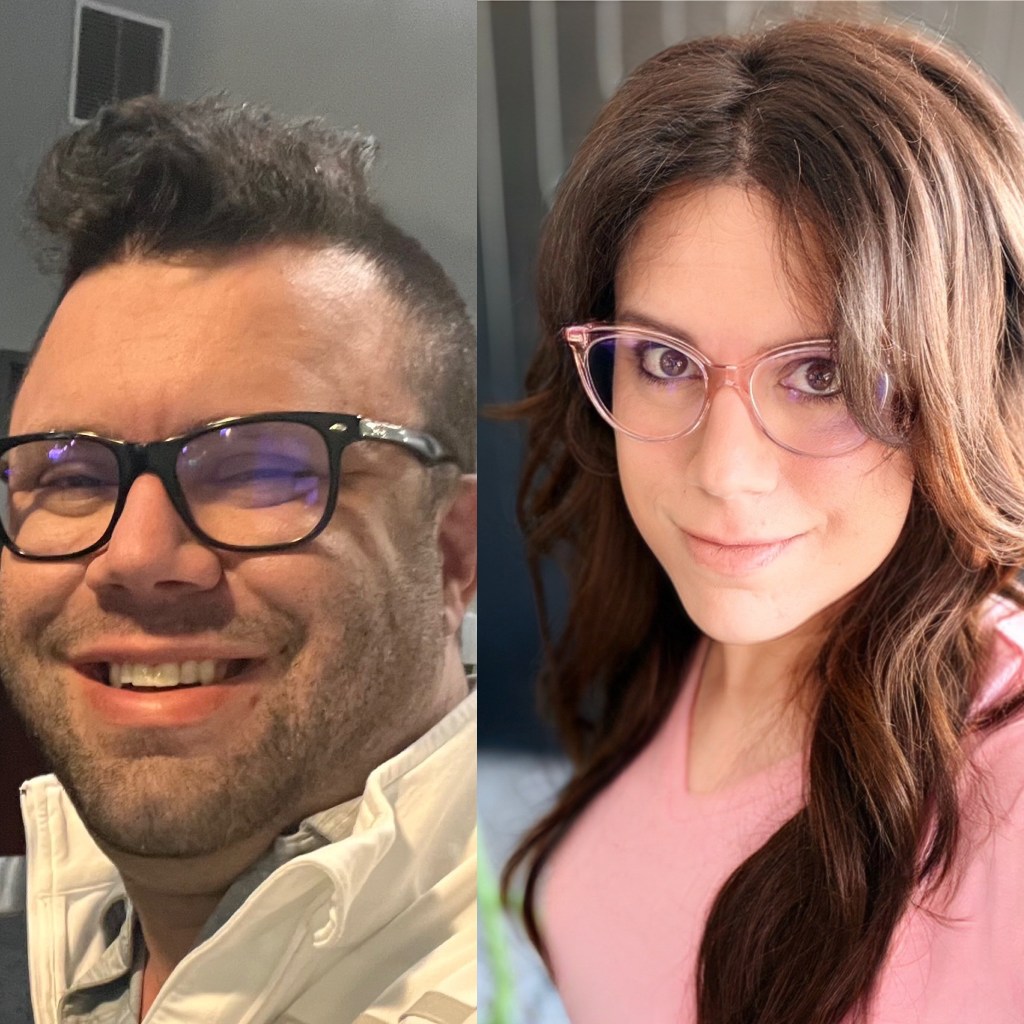
Suddenly, decades of unanswered questions began to make sense.
“I was shocked and so confused,” she says.
“I was very angry. Confused. Betrayed.”
Stephanie immediately thought back to being 13 and telling her mother she wanted to transition.
She wondered why nobody had told her the truth.
“Why did my parents never tell me?” she says.
“My childhood felt fake. Yes, I was loved, but I felt broken back then, and I wish my parents had just told me the truth.”
Her family was shocked too.
“They cried; they regretted never telling me,” she says.
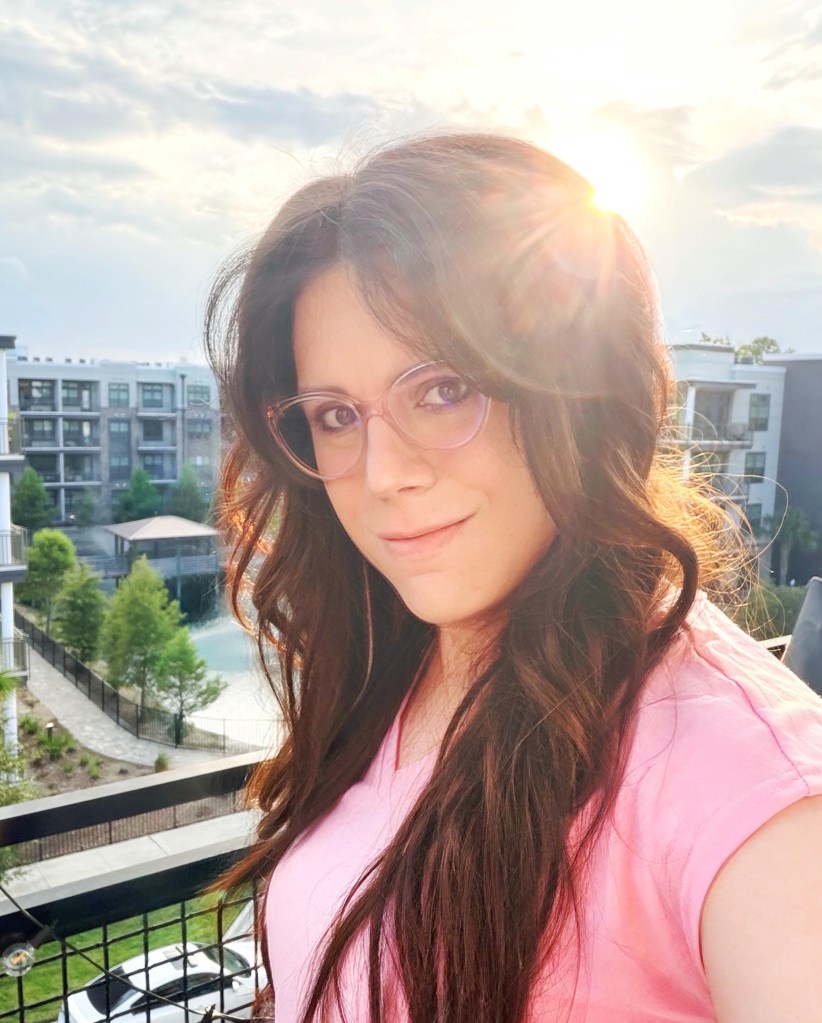
Stephanie has also begun sharing her story on social media, where her posts have attracted millions of views and sparked conversations about being transgender and intersex.
“There is so much hate towards transgender people in today’s world,” she says.
“The anti-trans laws attack people like me, people who require hormone replacement therapy and need the same care that transgender people receive to survive.
“Intersex people are as common as redheads, yet many people are unaware they are intersex.
“I’m proud to be both intersex and transgender because of my life experience.”
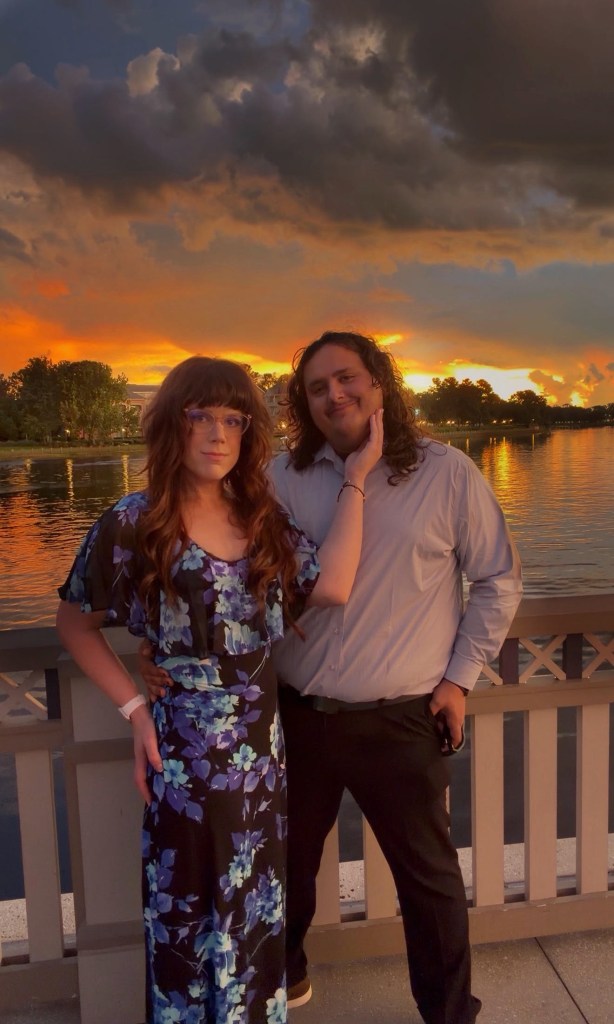
She says she fears what could happen if she were unable to access the estrogen her body needs.
“All I want is for trans and intersex people to be allowed to live our lives,” she says.
“If I lose access to estrogen due to political attacks, I will fall into endocrine shock, and I won’t make it.
“HRT is life-saving healthcare, and I wouldn’t be here without it.”
After decades of feeling that she was living somebody else’s life, Stephanie says she finally feels able to live as herself.
“I am healthier; I love my body,” she says.
By Andrew Corless.


Leave a Reply