By Maria J. Ritchie
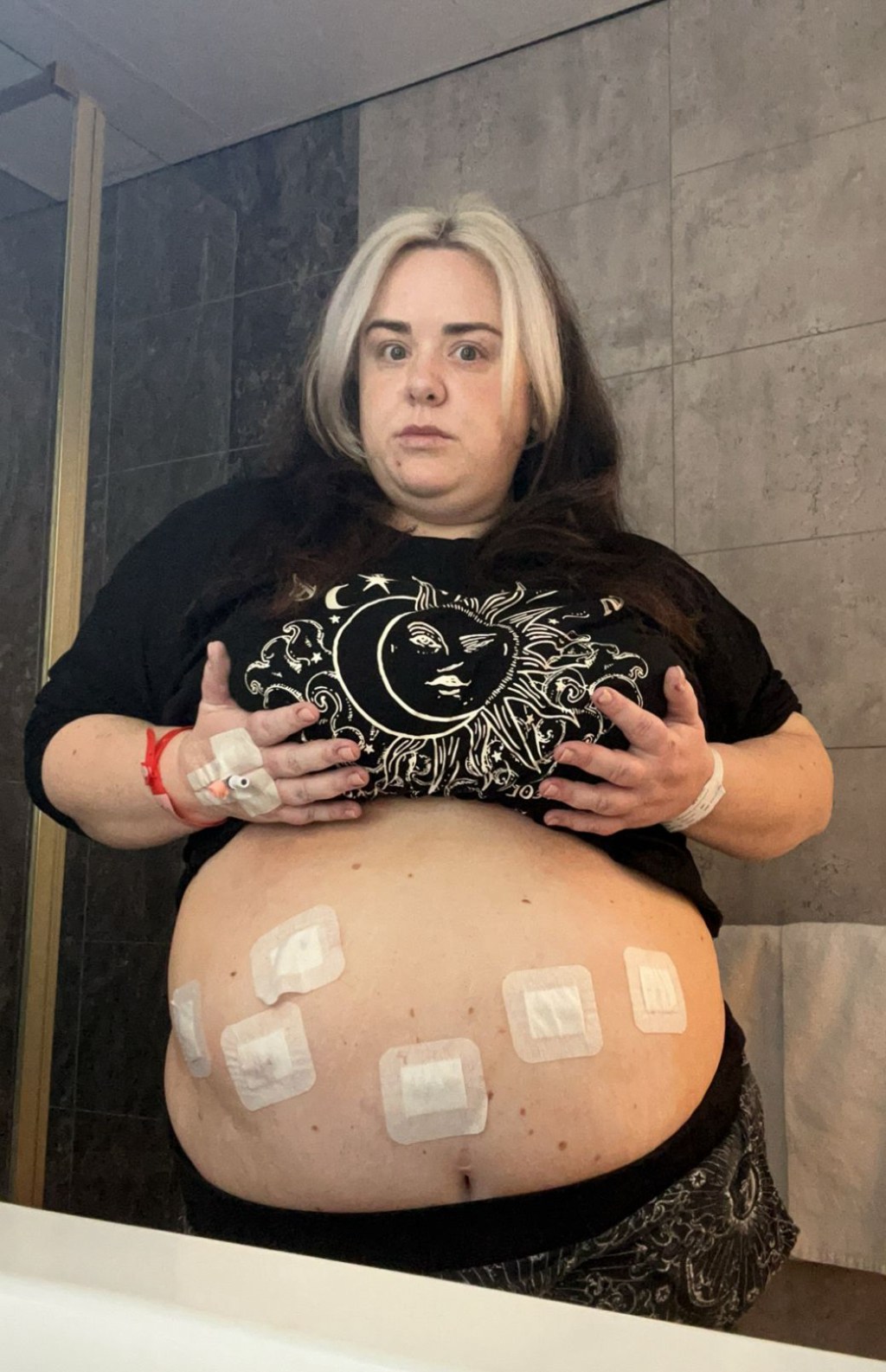
Katie Elizabeth Newell (38) from Liverpool, UK, once weighed a staggering 25st, but after life-changing weight-loss surgery, she’s transformed so dramatically that even friends no longer recognise her.
Katie says her kryptonite was crisps, chocolate, and biscuits. A typical day would begin with sugary cereal and toast, followed by a McDonald’s or Greggs lunch and a large evening meal. All the while, Katie would gorge on her favourite crisps, chocolate and biscuits in between.
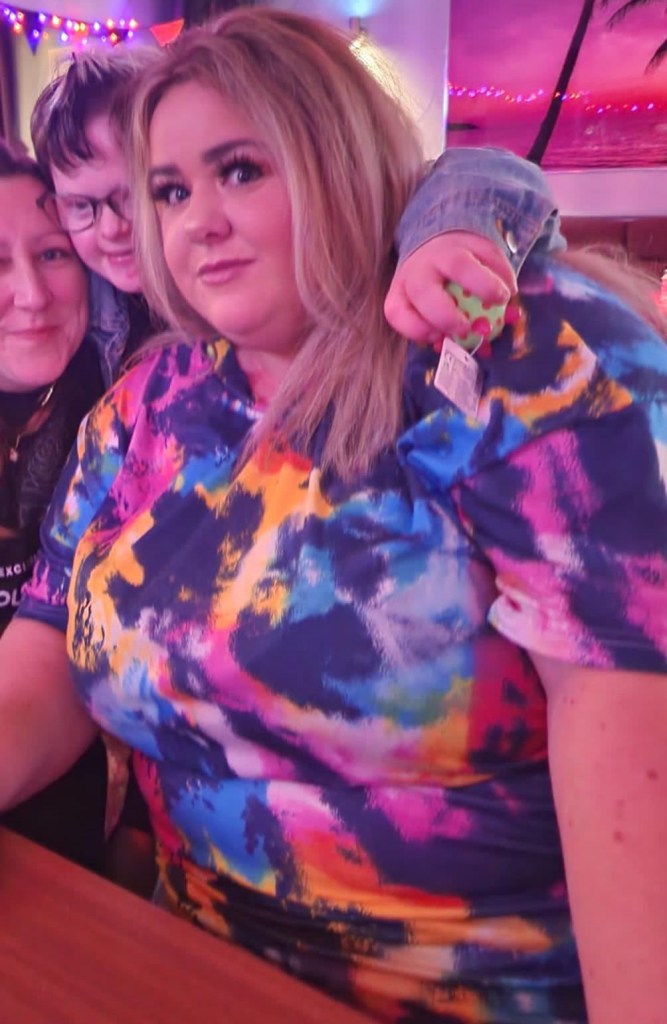
However, tipping the scales at 25st and squeezing into a UK dress size 28/30, Katie was dangerously unwell, unable to walk properly, pre-diabetic, and says she felt “completely worthless”.
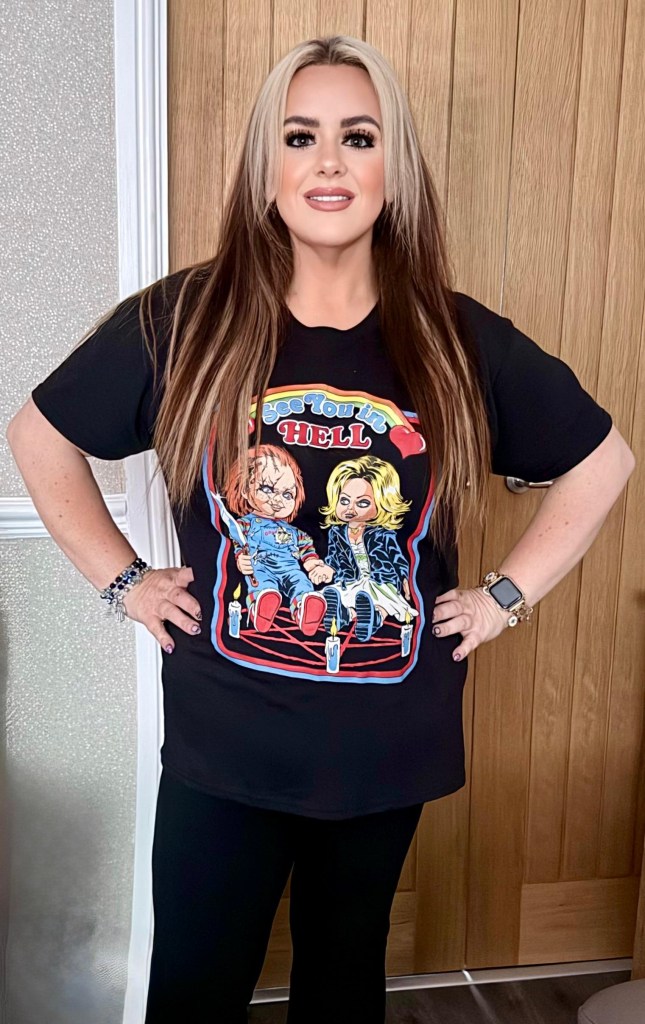
Since her surgery, Katie has lost a remarkable 15 stone in just 12 months, now weighing 11st 6lb. She says this transformation has saved her life, both physically and mentally.
“I hated myself,” Katie admits.
“I wouldn’t be in photos or videos. I avoided mirrors. I felt completely worthless.”
Katie attributes her weight gain to a combination of medication, mental health struggles, and emotional eating. She lives with Loin Pain Haematuria Syndrome (LPHS), a rare condition that affects only one in a million people and is characterised by severe flank pain and blood in the urine.
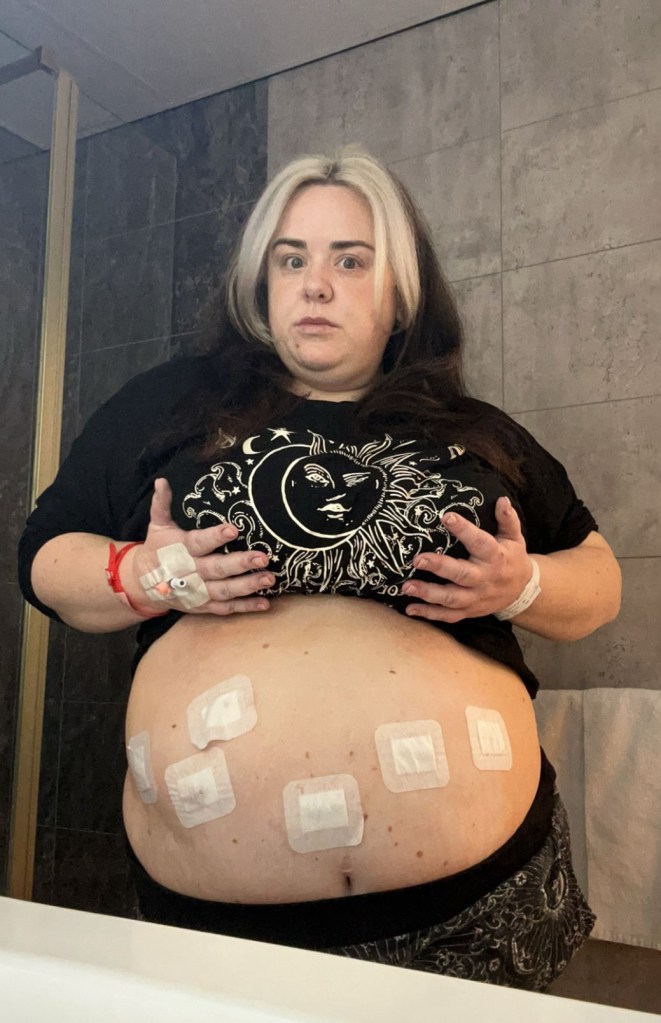
“I was on medications renowned for weight gain,” she explains.
“But I was also a comfort eater. If I was sad, I’d eat. If I was happy, I’d eat more. I was an emotional eater and a secret eater.”
Eventually, Katie’s confidence collapsed, and she knew she had to do something about it.
“It wasn’t even comments that got to me,” she says.
“It was the looks I’d get in restaurants or dessert places.
“I could feel people staring.
“I remember being on holiday with my nieces and nephews in Silverdale. We’d just bought ice creams and sat down. An older man looked over at me with disgust, said something to his wife about my size and weight, and then the two of them got up and walked away.”
It wasn’t only Katie’s confidence that was affected; she also started noticing her health deteriorating.
“I could hardly walk,” she says.
“I became pre-diabetic. I was super depressed. I wouldn’t go out. I felt completely worthless.”
Katie was under the supervision of the weight-loss team at Aintree Hospital in Liverpool, who originally prescribed Mounjaro, but when funding was withdrawn, doctors offered her surgery instead.
“I jumped at the chance,” she says.
Before being approved, Katie had to attend eight weeks of specialist weight-loss education classes.
“They taught us everything, the different surgery options, what our diet would be like after, what we could and couldn’t do,” she explains.
“That included rules like not drinking with meals, and the ‘3 20 rule’ – a 20p-sized bite, chew for 20 seconds, then wait 20 seconds before the next mouthful.”
After assessments, a surgeon recommended a One Anastomosis Gastric Bypass (OAGB), also known as a mini gastric bypass, based on her eating habits and medical history.
The procedure involves creating a small pouch from the stomach and connecting it to a portion of the small intestine through a single surgical connection, known as an anastomosis. This method reduces the amount of food the stomach can hold and decreases calorie absorption by bypassing a significant portion of the small intestine.
The surgery was carried out on the NHS in a private hospital in Manchester.
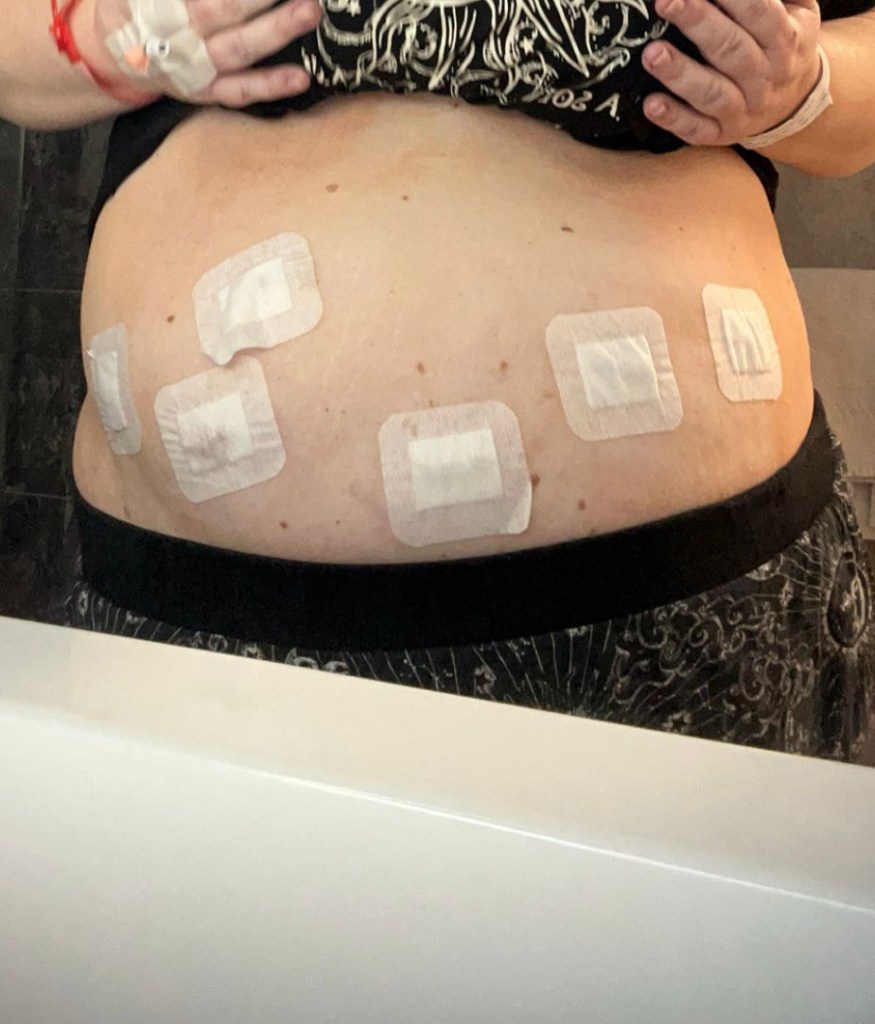
In preparation, Katie had to complete a strict liver reduction diet for two weeks, over Christmas, alongside pre-op blood tests. The diet is a low-carb, low-calorie diet designed to shrink the liver.
The surgery went ahead on January 18, 2025, and lasted around an hour and a half. Recovery was tough, and it took about three months before she felt fully healed.
“It was painful for the first two to three weeks,” she says.
“The air they use to blow up your tummy is uncomfortable, but other than that, it was manageable.”
Since surgery, Katie has faced difficult side effects, including severe vomiting.
“At one point, I was being sick up to 12 times a day,” she reveals.
“I had camera tests done to check everything, but it was just a side effect of the bypass.”
Although she still vomits occasionally, she says it’s far more manageable now.
Her life, however, has completely changed.
“I started to notice changes in my weight within the first fortnight
“I can do so much more now,” she says.
“Some of my aches and pains in my back and hips have gone.”

Her confidence has returned.
“I don’t mind having my photo taken anymore,” she smiles.
“I don’t avoid mirrors either.”
Her diet is now completely different.
“I physically can’t eat much,” she explains.
“I have one small meal a day. If I eat more, I’m sick.”
A typical day now includes soup and fruit in the afternoon, and a small evening meal of meat and vegetables. Exercise is limited due to chronic pain, but she walks her dogs when she can.
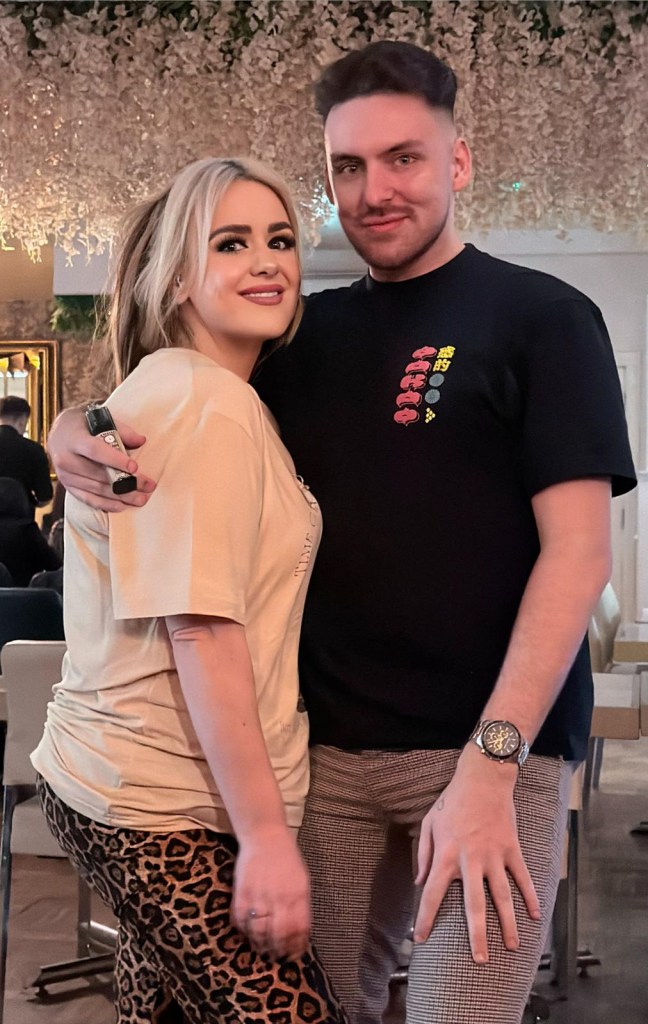
The transformation has shocked everyone around her.
“A lot of people don’t even recognise me,” she says.
The comments mean everything.
“People tell me I look happy again,” she says.
“They say I look amazing. They say they’re proud of me.”
But Katie is honest about the reality of weight-loss surgery.
“It’s expensive,” she says.
“I believe a gastric bypass can cost up to £21,000, which includes the surgery itself and follow‑up appointments with dietitians, psychologists, surgeons and nurses for up to three years.
“I was incredibly fortunate to receive funding from the NHS”
She also points out the unexpected costs.
“Nobody prepares you for how often you have to buy new underwear. It’s literally every other week,” she laughs.
“I’ve spent at least £300 on new underwear.”
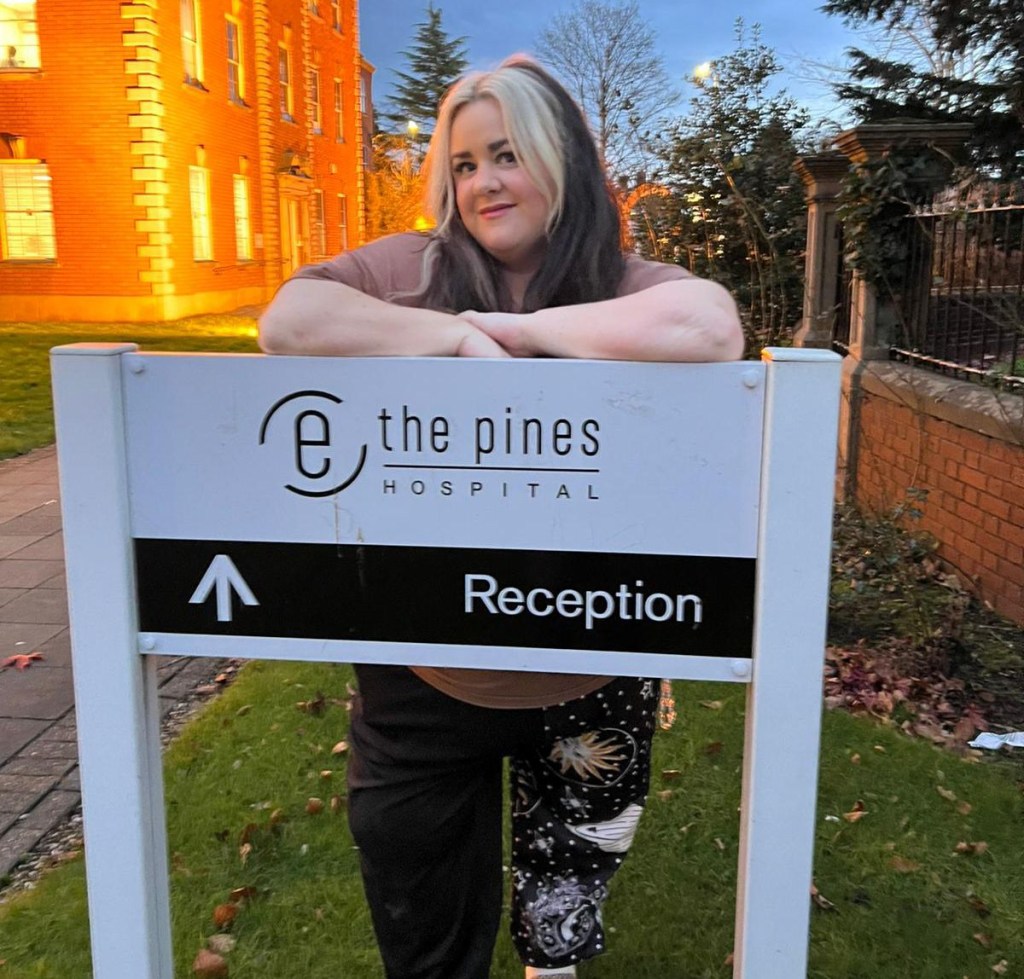
Her message to others thinking about weight loss is clear.
“Speak to your doctor,” she says.
“There are so many options, gym passes, slimming world, referrals to weight-loss teams, medication, and surgery.
“You have to change your whole relationship with food. Whatever method you choose, it’s a tool, you still have to work at it.”
Now, after losing nearly 15 stone in just 12 months, Katie says she finally recognises herself again, and she’s ecstatic to know she no longer is pre-diabetic.
“I have so much more confidence,” she says.
“I feel like I’ve got my life back.”
 Hype Press Limited
Leave a comment