
A former Paralympic medallist who has spent 24 years living with a rare degenerative disease says a breakthrough treatment could have changed the course of her life, and is now campaigning so younger patients don’t miss out.
Helen Kearney, 37, from Dunlavin, Co Wicklow, represented Ireland at both the London 2012 and Rio 2016 Paralympic Games, winning three medals in London.
But behind the podium success was a battle with Friedreich’s ataxia, a rare progressive neurological condition she was diagnosed with at just 13 years old.
The disease gradually strips away physical abilities, leaving many patients reliant on wheelchairs and support for everyday tasks.
Helen says she first realised something wasn’t right long before her diagnosis.

“I was always clumsy,” she said.
“I had strange falls and injuries that seemed unusual. I remember struggling to take things down from the blackboard at school in time and pretending I’d finished because everyone else had.”
After undergoing surgery for scoliosis at 12, her recovery was unusually slow, prompting further investigations.
A physiotherapist eventually noticed signs that something more serious was happening.
At 13, Helen was diagnosed with Friedreich’s ataxia.
“My diagnosis came at a time when life should have been opening up,” she said.
“Instead, I realised all my plans needed to be different.”

Today, after living with the condition for almost a quarter of a century, Helen says it affects every aspect of her life.
She uses a wheelchair, struggles with transfers, needs help with household tasks, and battles severe fatigue.
“I struggle getting out of bed in the morning,” she said.
“I struggle getting from my bed to my wheelchair or from my wheelchair to the toilet.
“I have energy and motivation, but physically I just can’t do everything I want to.”
Yet despite the challenges, horses gave Helen a new purpose.

Initially terrified of riding, she quickly fell in love with the sport after her mother bought her a pony following her diagnosis.
“My mum knew the prognosis wasn’t good and she wanted me to do the thing I loved while I still could,” she said.
That decision would ultimately change her life.
After being introduced to para dressage, Helen progressed through the sport and earned selection for the Paralympic Games.
At London 2012, she won an individual silver medal, an individual bronze medal, and team bronze for Ireland.
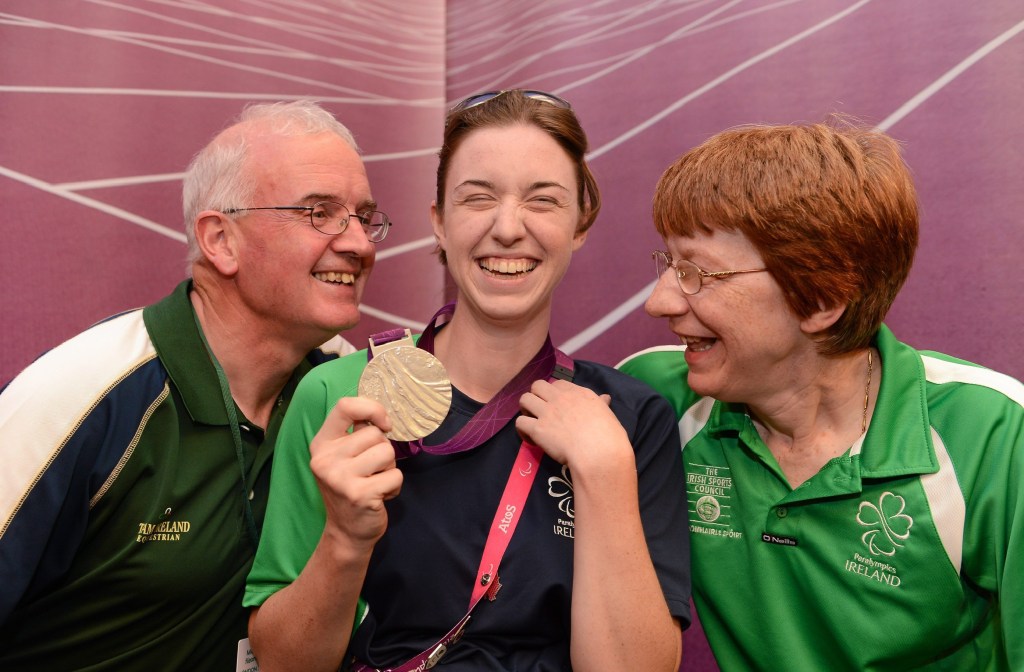
“For the public, I was an unknown and not expected to do much,” she said.
“But I expected a lot from myself.
“I worked hard, I was ambitious, and I knew London was my opportunity to do my best.
“When it all worked out, I felt validation.”
Now, Helen is using her profile to raise awareness of Friedreich’s ataxia and campaign for access to a newly approved treatment.
Omaveloxolone (SKYCLARYS) was approved by the FDA in 2023 and works by slowing down disease progression and delaying the loss of strength and coordination in individuals with Friedreich’s ataxia. However, it remains largely unavailable to patients in the UK and Ireland.
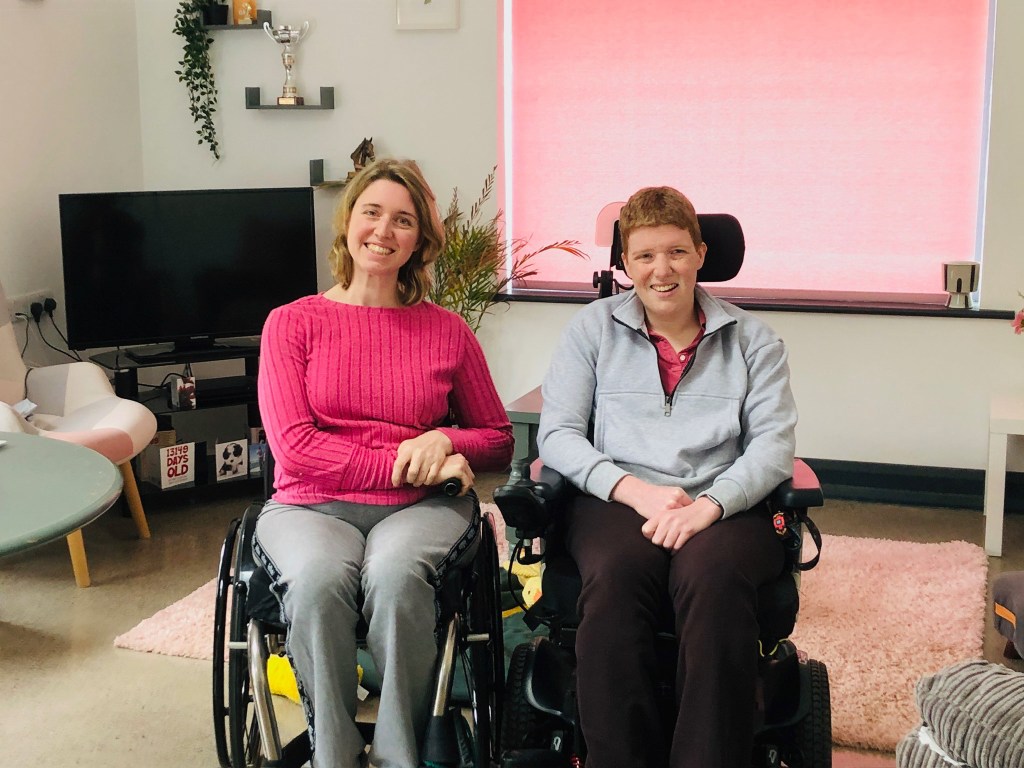
When news of the treatment emerged, she described it as a historic moment.
“I was super excited,” she said.
“There are people who fought and believed in this drug who aren’t alive today to see it become a reality.
“It made me realise just how significant this moment is.”

However, Helen acknowledges that after living with the disease for 24 years, the treatment is unlikely to reverse much of the damage she has already experienced.
Instead, she is focused on helping younger patients.
“I know if this treatment had been available to me 20 years ago, my life could have been very different,” she said.
“I would have loved to have children.
“My lifestyle now would probably make people think I’m much older than 37.
“I think I would be at a very different point in my life.”
The former Paralympian says the biggest obstacle preventing access in Ireland is cost.
She fears younger patients could lose valuable physical abilities while waiting.
“Not treating people when there’s a treatment available is almost like telling them they’re not worth it,” she said.
“People with this condition already have so many worries and insecurities.”
Helen has begun sharing videos online about her condition and says the response has been overwhelmingly positive.

The campaign is deeply personal.
“The treatment won’t do as much for me as I would like because I’ve had the condition for so long,” she said.
“But I know what it would have meant to me if somebody had fought for a treatment 20 years ago.
“That’s why I want to fight for others now.”
Despite stepping away from elite sport, Helen says she remains proud of what she achieved.
“I thought retiring would be really difficult,” she said.
“But it was becoming very hard physically.
“Stepping back allowed me to look back and feel proud of what I accomplished when I could.”
Now she hopes policymakers will recognise the value of giving patients time.
“Science has moved forward and found something that can slow progression,” she said.
“If science got this far, who knows what could happen in another few years?
“Please give people time for the next breakthrough.”
 Hype Press Limited
Leave a comment